Understanding Different Types of LAN Cables
When you think about connecting your computer, gaming console, or even your smart TV to the internet, chances are you’ve come across a LAN cable. These cables are the unsung heroes of fast and stable internet connections. While Wi-Fi is convenient, nothing beats the reliability of a wired connection. But here’s the thing—there isn’t just one type of LAN cable. Over the years, technology has evolved, and so have these cables. If you’ve ever wondered why some cables look thicker, have different labels, or promise faster speeds, this article will walk you through the basics in a simple, natural way.
Common Types of LAN Cables
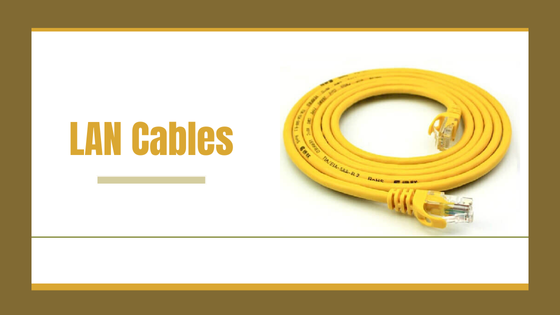
LAN cables come in categories, often labeled as Cat5, Cat5e, Cat6, Cat6a, and Cat7. Each category represents improvements in speed, bandwidth, and shielding. For example, Cat5 was once the standard, but today it’s considered outdated. Cat5e (the “e” stands for enhanced) improved on that by reducing interference and supporting faster speeds. Cat6 and Cat6a take things further, offering higher bandwidth and better shielding, which makes them great for gaming or streaming in ultra-high definition. Cat7 cables are even more advanced, designed for professional setups where maximum speed and minimal interference are critical.
If you’re shopping around, you’ll notice plenty of different types of LAN cables, each promising something slightly different. That’s why shops like PMFS LAN shop are handy—they offer a range of ขายสายแลน that suit different needs, whether you’re a casual user or someone who wants top-notch performance.
The choice really depends on what you need. If you’re just browsing the web or watching Netflix, Cat5e or Cat6 will do the job. But if you’re building a home office or setting up a gaming rig, investing in Cat6a or Cat7 might be worth it.
Why LAN Cables Matter
It’s easy to overlook LAN cables because they’re not flashy. They don’t have glowing lights or sleek designs like routers or gaming consoles. But they play a huge role in how smooth your online experience is. A good cable can reduce lag, prevent buffering, and keep your connection stable even when multiple devices are online. Think of them as the quiet backbone of your internet setup.
Another thing to keep in mind is durability. Cheaper cables might work fine at first, but they can wear out quickly, especially if you’re plugging and unplugging them often. Higher-quality cables are built to last longer and handle more demanding tasks.
Choosing the Right Cable for You
So how do you decide which cable to get? Start by thinking about your internet speed. If your provider gives you speeds up to 100 Mbps, a Cat5e cable is more than enough. But if you’re paying for gigabit internet, you’ll want at least a Cat6 cable to take full advantage of it. Also, consider the distance. Longer cables can sometimes lose signal quality, so higher-category cables with better shielding are useful if you need to run them across rooms or floors.
It’s also worth considering future-proofing. Technology moves fast, and upgrading your cable now can save you headaches later. Spending a little extra on a Cat6a or Cat7 cable means you won’t have to replace it when internet speeds inevitably get faster.
Conclusion
LAN cables might not be the most exciting part of your tech setup, but they’re essential. From Cat5e to Cat7, each type has its own strengths, and the right choice depends on your needs. Whether you’re gaming, streaming, or just browsing, a solid cable ensures you get the most out of your internet connection. Next time you’re setting up your devices, don’t just grab any cable lying around—think about what works best for you. And if you’re looking for reliable options, remember that places like PMFS LAN shop make it easy to find exactly what you need.