How LED Magnifying Lamps Are Transforming Professional Environments
LED magnifying lamps are specialized lighting tools that combine two essential functions: magnification and illumination. At their core, they feature a lens—often ranging from 3x to 10x magnification—mounted alongside energy-efficient LED lights. This dual design allows users to see fine details with clarity while working under bright, consistent light. Unlike traditional incandescent or fluorescent lamps, LEDs provide a cooler, more natural glow that reduces eye strain and enhances visibility. The result is a โคมไฟแว่นขยาย that not only improves precision but also creates a more comfortable working environment.
The Shift Toward LED Technology
The adoption of LED magnifying lamps reflects a broader shift in professional spaces toward sustainable and efficient technology. LEDs consume significantly less energy than older lighting systems, which translates into lower operating costs for businesses. Their long lifespan means fewer replacements, reducing downtime and maintenance expenses. Beyond economics, LEDs emit less heat, making them safer and more pleasant to use during extended work sessions. This technological evolution has made LED magnifying lamps indispensable in industries where accuracy and efficiency are paramount.
Enhancing Precision in Medical and Clinical Settings
In healthcare environments, precision is non-negotiable. Dermatologists, dentists, and surgeons often rely on magnifying lamps to examine small areas of the body with enhanced clarity. The bright, shadow-free illumination provided by LEDs ensures that practitioners can detect subtle details that might otherwise be missed. For example, in dermatology, identifying minute skin irregularities becomes easier under LED magnification. In dentistry, these lamps assist in procedures that require close inspection of teeth and gums. By improving visibility, LED magnifying lamps contribute directly to better patient outcomes and safer practices.
Revolutionizing Beauty and Creative Industries
Beauty salons and creative studios have also embraced LED magnifying lamps as essential tools. Nail technicians use them to perfect intricate designs, while estheticians rely on them for treatments such as eyelash extensions or skincare procedures. The combination of magnification and bright light allows professionals to deliver flawless results with confidence. In creative fields like jewelry making, painting restoration, or model building, these lamps enable artisans to work on delicate details without compromising accuracy. The transformation is evident: tasks that once strained the eyes or required guesswork are now executed with precision and ease.
Supporting Technical and Industrial Work
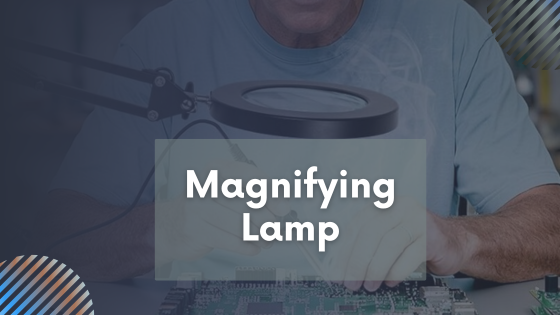
Electronics repair shops, watchmakers, and laboratories are other environments where LED magnifying lamps have become indispensable. Soldering tiny components on circuit boards demands both steady hands and clear vision. LED magnification provides the clarity needed to avoid mistakes that could damage sensitive equipment. In industrial inspection, these lamps help workers identify flaws in materials or products before they reach consumers. By reducing errors and improving quality control, LED magnifying lamps contribute to higher standards of production and reliability across technical industries.
Ergonomics and Workplace Well-Being
Beyond their functional benefits, LED magnifying lamps also support workplace ergonomics. Adjustable arms, flexible positioning, and dimmable light settings allow professionals to tailor the lamp to their specific needs. This adaptability reduces physical strain, whether it’s on the eyes, neck, or back. In environments where employees spend long hours focusing on fine details, such ergonomic support is invaluable. By promoting comfort and reducing fatigue, LED magnifying lamps enhance overall productivity and employee satisfaction.
Conclusion
As industries continue to evolve, the role of LED magnifying lamps will only expand. Advances in lens technology, smart lighting controls, and portable designs are making these tools even more versatile. Integration with digital systems—such as cameras for documentation or augmented reality overlays—could further revolutionize how professionals interact with their work. What began as a simple combination of light and magnification is now a cornerstone of modern professional environments, bridging the gap between human skill and technological precision.