Climbing Teide: A Practical (And Slightly Breathless) Guide To Spain’s Highest Peak
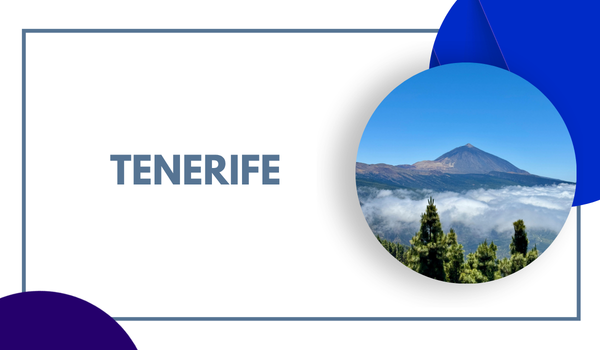
There’s a moment on almost every Tenerife holiday when you look up from your sunbed, squint at the horizon, and notice a giant volcano hanging over the island like it owns the place. That’s Mount Teide, and yes, it kind of does. At 3,715 metres above sea level, it’s the highest point in Spain and one of the tallest volcanoes on the planet when you measure it from the ocean floor. If you only do one big day out in Tenerife, make it this one.
First, A Bit Of Context
Teide sits in the middle of Teide National Park, a UNESCO World Heritage Site that looks more like Mars than a Spanish holiday island. Think rust-coloured rock, frozen rivers of black lava, and wide, empty plains scattered with strange rock formations. The Guanches, the island’s original inhabitants, believed the volcano was home to Guayota, a demon who lived inside it. Stand up there on a windy morning and you can see why they thought so.
The landscape is so otherworldly that it has served as a film location more than once, and you’ll understand why the moment you step out of the car. Even if you never go near the summit, simply wandering around the base is worth the trip.
The Lazy (And Brilliant) Option: The Cable Car
Let’s be honest, most people take the cable car, and there’s no shame in it. The ride takes just a few minutes and lifts you from around 2,300 metres up to about 3,550. You start among pines and chunky volcanic boulders, and by the time the doors open at the top you’re breathing thin, cold air and gazing at clouds from above.
Here’s the thing, though: the queues can be long, especially in high season and around midday. Book your tickets in advance if you can, and aim for the first ride of the day or a late-afternoon slot. Early birds get shorter waits, calmer views and cooler temperatures. Also, if the wind picks up, the cable car can shut down without much warning, so don’t plan your whole day around one precise departure time.
Once you’re at the top station, you can walk a few short viewpoint trails without any special paperwork. These give you sweeping views across the crater rim and, on a clear day, out to the neighbouring islands. To go all the way to the summit crater itself, though, you need a free permit from the national park, and slots are limited. Sort that out well ahead of your trip, because turning up on the day and hoping for the best rarely works.
For The Stubborn: Hiking Up
If the idea of riding to the top feels like cheating, you can earn your view the old-fashioned way. The most popular route starts at Montaña Blanca and climbs steadily across volcanic sand and rock. It’s long and it’s tiring, but it isn’t technical. You don’t need climbing gear, just decent fitness and a lot of patience.
Start early. Really early. The aim is to avoid the worst of the afternoon sun, and many people set off before dawn so they can reach the upper sections in the cool of the morning. Some hikers also stay overnight at the mountain refuge and head to the summit for sunrise, which is a seriously special experience if you can arrange it.
Whichever way you go, remember that the weather up there is a different universe from the coast. It can be hot and blazing at the base and freezing and gusty near the top, sometimes within the same hour. Check the forecast before you leave, and be ready to change plans if conditions look rough.
What To Pack
You’d be surprised how many people show up in flip-flops and a tank top, only to shiver at the summit. Dress in layers and bring a warm jacket, even in summer. Sturdy shoes with proper grip are a must, since the terrain is loose and rocky. Pack plenty of water, because there’s almost nothing to buy once you’re out on the trail, plus sunscreen, sunglasses and a hat. The sun at altitude is fierce, and you’ll burn faster than you expect.
A few snacks help too. Nuts, fruit and something salty will keep your energy up, and a packed lunch with a view beats any restaurant.
Let’s Talk Altitude
At more than 3,500 metres, some people feel the effects, and it’s nothing to be embarrassed about. Headaches, dizziness, a bit of nausea or just feeling oddly tired are all common. Take things slowly, drink water, and don’t rush up the final stretch. If you start feeling unwell, head down. The mountain isn’t going anywhere.
It’s worth bearing in mind if you’re travelling with young children, older relatives, or anyone with heart or breathing problems. A quick chat with a doctor before you go is never a bad idea.
Don’t Skip The National Park Itself
Before or after your summit adventure, give yourself time to explore the park below. The Roques de García, a group of dramatic rock towers, make for an easy and rewarding stroll. Los Azulejos, with its blue-green mineral streaks in the rock, is a short stop that looks great in photos. And the surrounding plains are perfect for a slow drive with plenty of pullovers.
If you can, stay for sunset. As the light fades, the shadow of Teide stretches across the sea and onto the neighbouring islands, an image that sticks in your memory long after your suntan has gone. After dark, the skies here are among the clearest in Europe, which is why astronomers love them. If you’re lucky enough to catch a clear night, the stars are staggering.
Keep An Eye On The Rules
Access to the mountain can change depending on weather, safety conditions and park regulations, so always double-check the latest details before you set off. For local news, announcements and day-to-day updates from around the island, Tenerife Weekly – one of the best Tenerife news websites is a handy place to look.
In Conclusion
Climbing Teide, whether by cable car or boot, is one of those experiences that reminds you why Tenerife is so much more than beaches and bars. Plan ahead, respect the weather, take it slowly, and you’ll come back with a camera full of photos and a story to tell. Just don’t forget your jacket.